
Call us now :08045804297
 Send Inquiry
 Send Inquiry
Laboratory Dehumidifier
Price 30000 INR/ Piece
MOQ : 1 Piece
Laboratory Dehumidifier Specification
- Type
- Laboratory Dehumidifier
- Material
- Metal body with powder-coated finish
- Capacity
- 1.5 Ton/day
- Power
- 220/230 Volts A.C. Supply Volt (v)
- Voltage
- 220 V / 50 Hz
- Technology
- Refrigerant based dehumidification
- Coverage Area
- 350-400 sq.ft.
- Control System
- Digital electronic panel
- Fan Speed
- 2 Speed
- Temperature Range
- 5C to 38C
- Operating Temperature
- 5C to 38C
- Humidity Sensor
- In-built sensor
- Status Indicator
- LED Indicator
- Auto Switch Off
- Yes
- Dimension (L*W*H)
- 420 x 300 x 665 mm
- Weight (kg)
- 22 kg
- Color
- White & Blue
- Warranty
- 1 Year
- Recommended Usage
- Pharmaceutical, Electronics, Research Labs
- Air Flow
- 240 m3/h
- Noise Level
- 48 dB(A)
- Applicable Standards
- CE Certified
- Water Tank Capacity
- 6.5 liters
- Mobility
- Caster wheels for easy movement
- Safety Features
- Overload protection and auto-defrost
- Filter Type
- Washable air filter
- Compressor Type
- Rotary
- Continuous Drain Option
- Yes, with provided hose
Laboratory Dehumidifier Trade Information
- Minimum Order Quantity
- 1 Piece
- Supply Ability
- 2 Pieces Per Week
- Delivery Time
- 2-3 Week
About Laboratory Dehumidifier
In various scientific experiments, there is an inevitable need for the Laboratory Dehumidifier to help reduce the diffraction clarity and result in erroneous experiments. The appliance maintains the right humidity level in the research and development lab. It ensures consistent performance and resilience. Therefore, we are seeing a huge demand for this appliance in the marketplace. To cater to the diverse demands of our patrons, we are supplying the Laboratory Dehumidifier in a plethora of sizes and capacities and that too at a cost effective price.
Specification
| Minimum Order Quantity | 1 Number |
| Brand | krishna |
| Heater Material | r 32 gas |
| Temperature Range | 0 1o 90 |
| Weight | 100kg |
| Product Type | warm hetare |
| Frequency | 50 hz |
| Model Number | kss |
| Resistant | 230v |
| Air Flow Rate | 5 kg |
| Capacity | 1.5 ton |
Optimal Humidity Control for Laboratories
Designed specifically for demanding laboratory environments, this dehumidifier safeguards critical processes by maintaining precise humidity levels. Its refrigerant-based technology, accurate digital control, and in-built humidity sensor make it suitable for pharmaceutical, electronics, and research labs where air quality directly impacts results. CE certification ensures it meets international safety standards, while robust safety features offer peace of mind during extended use.
User-Friendly Features and Easy Mobility
Operating and maintaining this laboratory dehumidifier is straightforward due to its digital control panel, LED status indicator, and washable air filter. Caster wheels ensure effortless relocation between rooms. A 6.5-liter tank or a continuous drainage option (with included hose) make it adaptable to varying usage needs. Automatic switch-off and safety mechanisms protect both users and the equipment, guaranteeing reliable performance.
FAQ's of Laboratory Dehumidifier:
Q: How does this laboratory dehumidifier operate to control humidity levels?
A: This dehumidifier uses refrigerant-based technology and a rotary compressor to extract excess moisture from the air. The built-in humidity sensor continuously monitors the environment, allowing the digital control panel to regulate settings for precise humidity control, making it ideal for sensitive laboratory applications.Q: What are the benefits of using the continuous drain option with the provided hose?
A: The continuous drain option allows the dehumidifier to remove water directly through the provided hose, eliminating the need to manually empty the 6.5-liter water tank. This feature is especially useful for high-humidity areas or when the dehumidifier runs continuously, promoting uninterrupted operation.Q: When should the washable air filter be cleaned, and what is the process?
A: The washable air filter should be checked and cleaned regularly, ideally every two weeks, depending on usage and air quality. To clean it, simply remove the filter, rinse it with water, allow it to dry completely, and then reattach it to ensure optimal airflow and dehumidification efficiency.Q: Where can this dehumidifier be used most effectively?
A: This dehumidifier is best suited for areas up to 350-400 sq.ft., such as pharmaceutical labs, electronics assembly rooms, and research facilities. Its performance is optimized within a temperature range of 5C to 38C, ensuring reliable operation in regulated laboratory conditions.Q: What safety features are integrated into the dehumidifier?
A: It includes overload protection and an auto-defrost function, which prevent electrical overload and ice buildup on internal components. The automatic switch-off feature and LED status indicators further enhance operational safety, safeguarding both users and laboratory equipment.Q: How does mobility complement the usage of this laboratory dehumidifier?
A: Equipped with caster wheels, the dehumidifier can be easily moved between different rooms or areas within a lab facility. This portability ensures that humidity control can be applied wherever it is most needed, without significant effort or risk of equipment damage.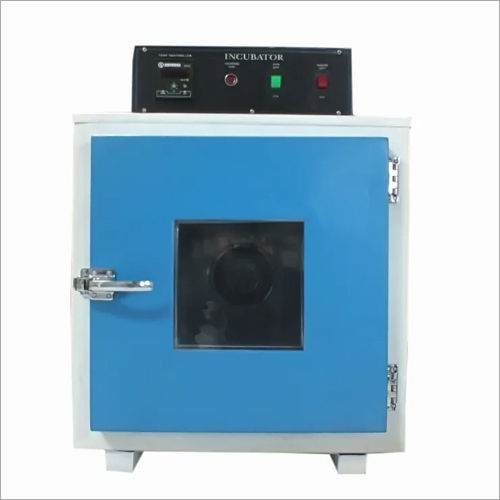
Tell us about your requirement

Price:
Quantity
Select Unit
- 50
- 100
- 200
- 250
- 500
- 1000+
Additional detail
Mobile number
Email

More Products in Laboratory Dehumidifier Category
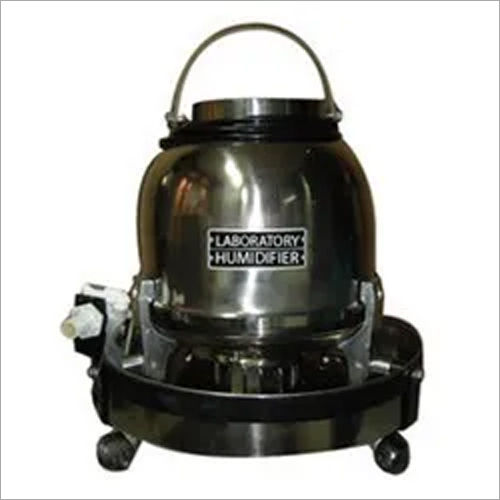
Steel Dehumidifier
Price 100000 INR / Piece
Minimum Order Quantity : 1 Piece
Power : 220/230 Volts A.C. Supply Volt (v)
Operating Temperature : 5C 38C
Weight (kg) : 38 kg
Type : Other, Industrial Dehumidifier
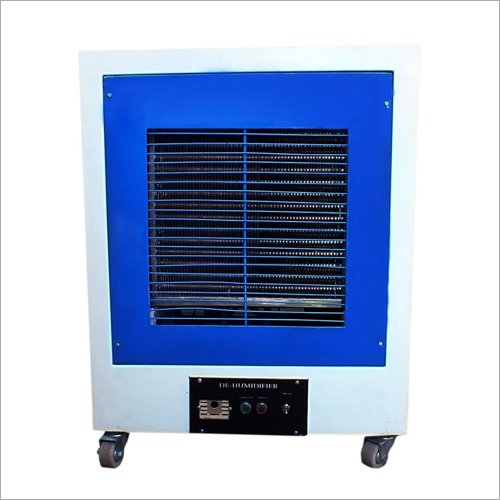
SS Laboratory Dehumidifier
Price 175000 INR / Piece
Minimum Order Quantity : 1 Piece
Power : 220/230 Volts A.C. Supply Volt (v)
Operating Temperature : 5C 38C
Weight (kg) : 38 kg
Type : Other, Laboratory Dehumidifier


 Send Inquiry
Our Products
- Laboratory Autoclave
- Laboratory Dehumidifier
- Hot Plate
- Laboratory Fermenter
- Media Tank
- Laminar Air Flow
- Laboratory Shaker
- Laboratory Microscope
- Steam Sterilizer
- Centrifuge Machine
- Colony Counter
- Distilled Water Still
- Hot Air Oven
- Industrial Bioreactors
- Moisture Analyzer
- PH Meter
- Ribbon Blender
- Tray Dryer
- Granules Mixing Machine
- Industrial Autoclaves
- Industrial Fermenter
- Laboratory Equipment
- Laboratory Steam Sterilizer
- Plant Growth Chamber
- Ready Stocks Available
- Water Bath

No. 61, Kamatchi Nagar, Madhanandhapuram,Chennai - 600125, Tamil Nadu, India

Mr M Krishna Moorthy
(Proprietor)
Mobile :08045804297
 Send Inquiry
 Send SMS
Developed and Managed by Infocom Network Private Limited.
